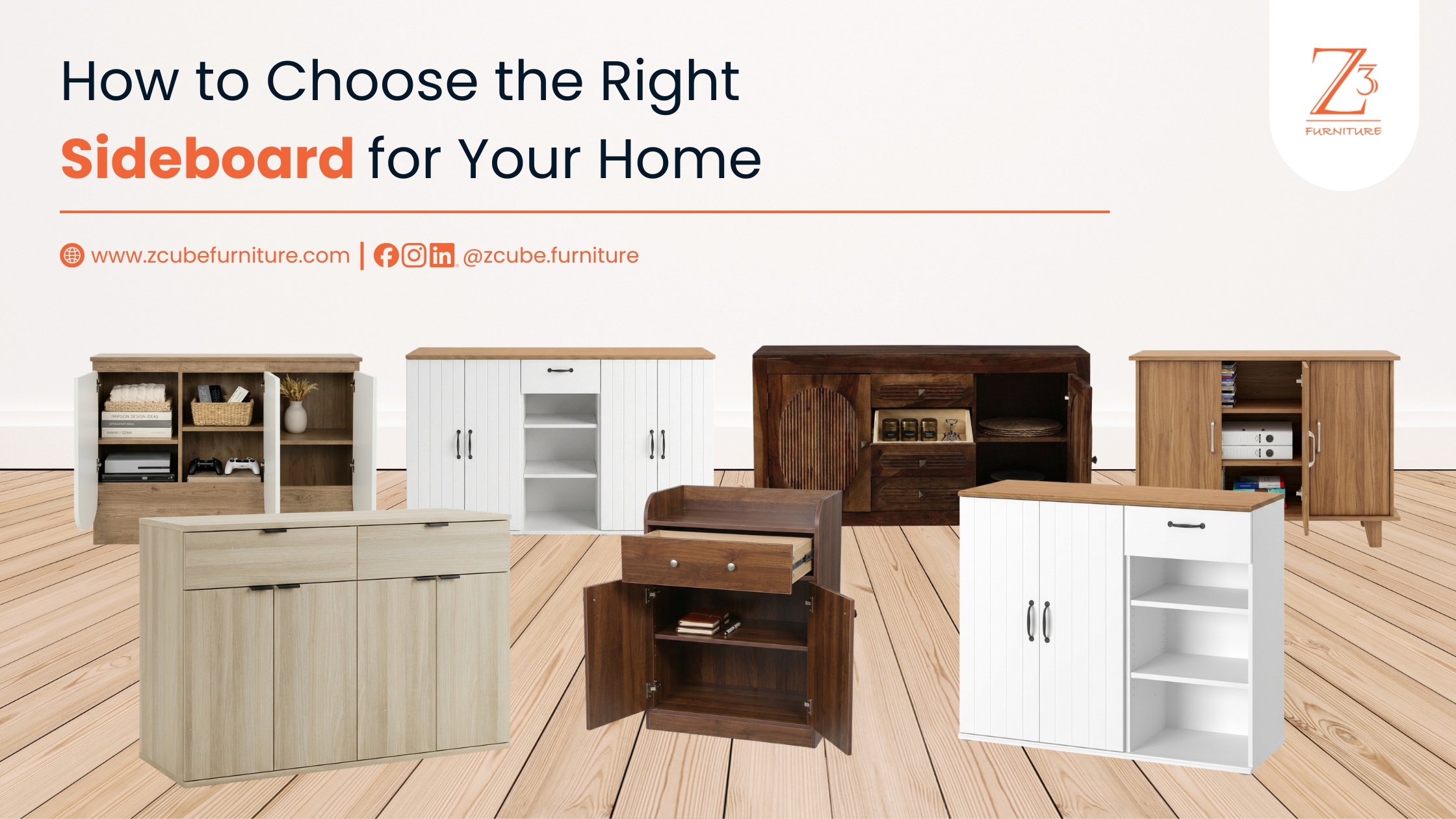
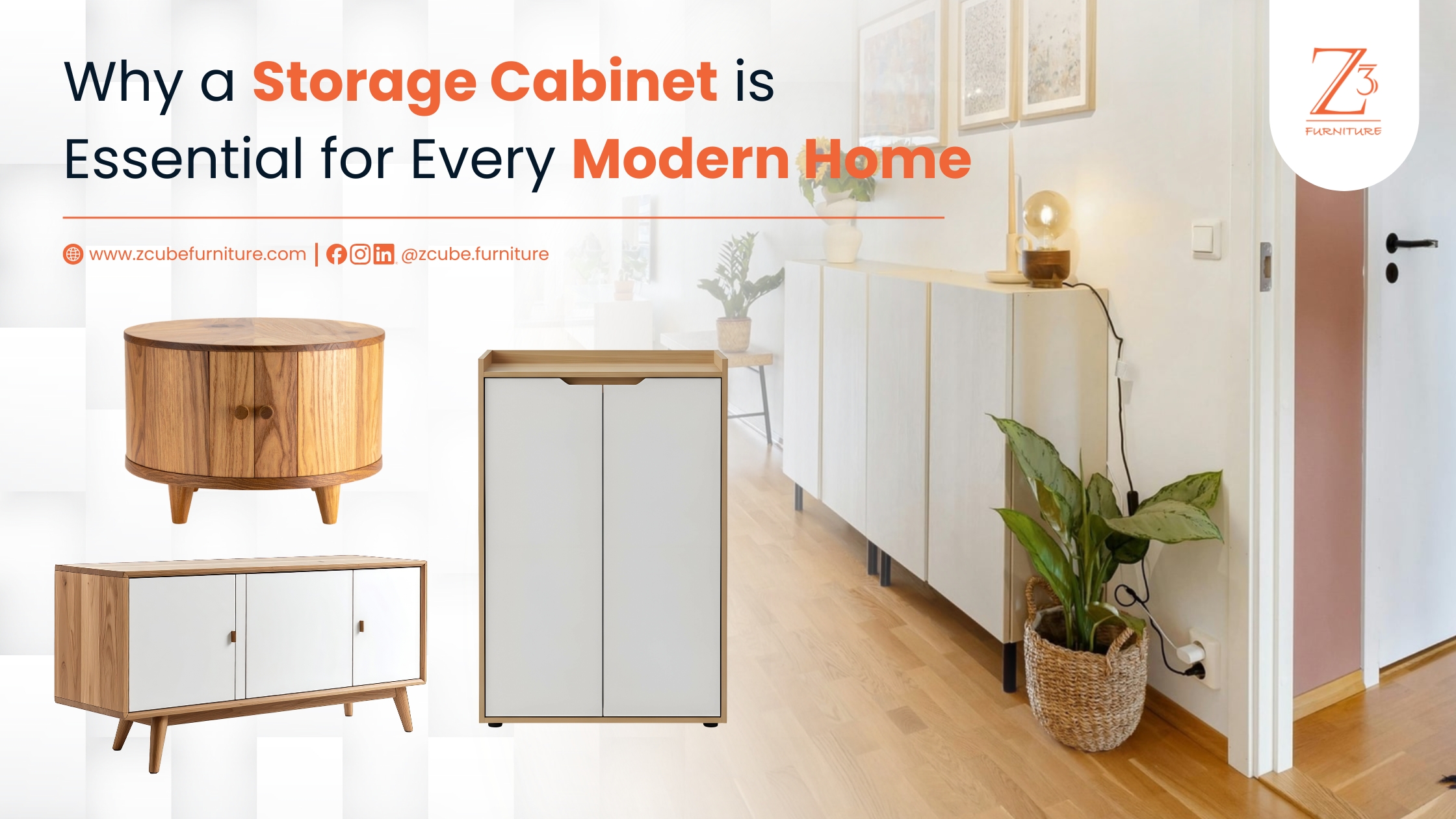
Furniture is not just about filling a space—it plays an important role in how a home looks, feels, and functions. Among the many furniture pieces that have become increasingly popular in modern interiors, sideboard furniture stands out as one of the most versatile and practical choices.
Originally designed for dining rooms, sideboards have evolved into multifunctional furniture pieces that fit beautifully into living rooms, entryways, bedrooms, and even home offices. They provide valuable storage while adding character and sophistication to a room.
However, choosing the right sideboard furniture requires more than simply selecting a design you like. The ideal sideboard should suit your space, complement your interior style, and provide the storage functionality your home needs.
If you’re planning to invest in a sideboard, here are the key factors to consider before making your decision.
Understanding the Purpose of a Sideboard
Before selecting a sideboard, it is important to determine how you intend to use it.
Some homeowners purchase sideboards primarily for storage, while others use them as decorative statement pieces. In dining rooms, sideboards often store dinnerware, cutlery, and serving accessories. In living rooms, they may be used to organize books, electronics, or everyday essentials.
Knowing the purpose of the furniture will help you decide on the right size, storage configuration, and design.
A sideboard that is chosen with functionality in mind will continue to serve your needs for years rather than becoming an underutilized piece of furniture.
Consider the Available Space
One of the most common mistakes people make when buying furniture is overlooking room dimensions.
Before choosing sideboard furniture, carefully measure the space where it will be placed. Consider both the width of the wall and the surrounding furniture layout.
A sideboard should fit comfortably within the room without making the space feel crowded. If the room is compact, a sleek and streamlined design often works better than a large, bulky cabinet.
For spacious interiors, a larger sideboard can become a focal point while providing additional storage and display space.
The goal is to achieve visual balance while maintaining easy movement throughout the room.
Match the Style of Your Home
A sideboard should feel like a natural extension of your existing décor.
Modern homes often benefit from sideboards with clean lines, minimalist details, and subtle finishes. Traditional interiors may suit wooden designs with richer textures and classic craftsmanship.
If your home follows a contemporary design theme, look for sideboard furniture with simple silhouettes and neutral finishes. Homes with a more luxurious aesthetic may benefit from statement pieces featuring elegant detailing and premium materials.
Choosing furniture that complements the overall design of your home creates a cohesive and polished appearance.
Focus on Storage Requirements
One of the main reasons homeowners invest in sideboards is the additional storage they provide.
Think about what you need to store before selecting a design.
If you plan to organize larger items, look for cabinets with spacious compartments. For smaller accessories, drawers can help keep everything neatly arranged and easily accessible.
Some sideboards combine closed storage with open shelving, offering both functionality and decorative display opportunities.
The right balance between storage and style ensures that the furniture remains useful while enhancing the room’s appearance.
Choose the Right Material
Material plays a significant role in both the durability and visual appeal of sideboard furniture.
Wood remains one of the most popular choices because of its timeless beauty and versatility. Whether finished in natural oak, walnut, or contemporary matte textures, wooden sideboards blend well with various interior styles.
Engineered wood options have also become increasingly popular due to their durability, affordability, and modern finish choices.
When selecting a material, consider your lifestyle, maintenance preferences, and overall interior design goals.
A well-made sideboard should not only look good but also withstand everyday use.
Pay Attention to Design Details
Small design elements often make a significant difference in how furniture looks within a space.
Details such as handles, leg styles, cabinet patterns, and finishes can influence the overall character of the sideboard.
Minimalist designs often feature clean surfaces and handle-less cabinets, creating a sleek and modern appearance. On the other hand, decorative detailing can add personality and charm to traditional interiors.
The key is to choose a design that complements the surrounding furniture rather than competing with it.
A thoughtfully designed sideboard can elevate the visual appeal of an entire room.
Think Beyond the Dining Room
Many people still associate sideboards exclusively with dining areas, but modern sideboard furniture is far more versatile.
In living rooms, a sideboard can serve as a stylish storage solution while displaying decorative accents, artwork, or lighting.
In an entryway, it can help organize everyday essentials while creating a welcoming first impression.
Bedrooms can benefit from sideboards as additional storage furniture that also enhances the room’s design.
This flexibility is one of the reasons sideboards continue to grow in popularity among homeowners and interior designers alike.
Creating a Stylish Display
A sideboard is not only functional—it also offers an opportunity to enhance your interior styling.
The surface can be used to display artwork, decorative accessories, table lamps, plants, or framed photographs. A carefully styled sideboard can become one of the most visually appealing areas of a room.
The best displays are usually simple and balanced. Avoid overcrowding the surface with too many items.
Instead, focus on a few carefully selected pieces that complement the furniture and the overall design theme of the space.
Why Sideboards Are a Smart Long-Term Investment
Furniture trends come and go, but sideboards have remained relevant for decades because of their practicality and adaptability.
Unlike furniture designed for a single purpose, sideboards can evolve with changing needs and interior layouts. They can move from room to room and continue serving different functions over time.
This flexibility makes sideboard furniture one of the smartest investments for homeowners looking to combine style and functionality.
A quality sideboard can enhance organization, improve aesthetics, and provide lasting value for many years.
Why Choose Z Cube Furniture
At Z Cube Furniture, we believe furniture should do more than simply fill a room. It should improve the way people live while reflecting their personal style.
Our collection of sideboard furniture is designed to combine modern aesthetics, practical storage, and premium craftsmanship. Whether you’re furnishing a contemporary apartment or a spacious family home, our sideboards are created to complement a variety of interior styles.
With a focus on quality materials, thoughtful design, and everyday functionality, Z Cube Furniture helps homeowners create spaces that are both beautiful and practical.
Conclusion
Choosing the right sideboard furniture is about finding the perfect balance between style, storage, and functionality. When selected carefully, a sideboard can become one of the most useful and attractive pieces in your home.
By considering your space, storage needs, interior style, and material preferences, you can invest in a furniture piece that not only looks great but also serves your household for years to come.
Whether placed in a dining room, living room, bedroom, or entryway, a well-designed sideboard has the ability to transform a space while keeping everyday essentials organized and accessible.